Masonry Waterproofing in Seattle, WA
Masonry waterproofing services focus on protecting the structural integrity of brick, stone, concrete, and other masonry surfaces from water intrusion. This service is commonly requested for projects such as basement walls, retaining walls, chimneys, and foundation exteriors. Property owners typically seek waterproofing to prevent water leaks, reduce the risk of mold growth, and avoid damage caused by moisture seeping into masonry materials over time. Understanding the different types of waterproofing methods, such as sealants, membranes, or coatings, can help homeowners choose the best solution for their specific project.
Before requesting masonry waterproofing, property owners should consider the current condition of their masonry surfaces, including any existing cracks or signs of water damage. It’s important to identify the areas most vulnerable to water infiltration and to understand the extent of the work needed to ensure effective protection. Proper preparation, such as cleaning surfaces and addressing existing issues, can improve the longevity of the waterproofing treatment. Clear communication about project goals and the specific masonry surfaces involved can help ensure a successful outcome.
Many property owners in Seattle, WA look into Masonry Waterproofing for repairs, replacements, upgrades, and appearance-related improvements.
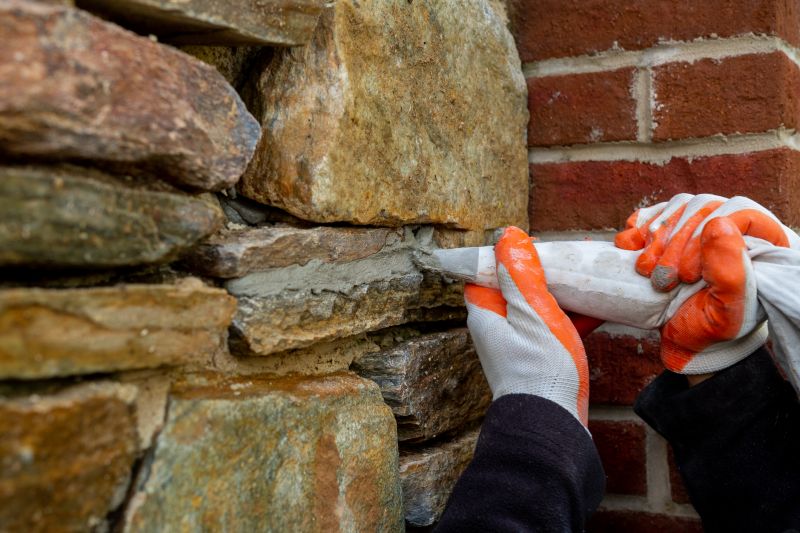
Masonry Waterproofing Services
Examples of masonry waterproofing work property owners may explore in seattle, wa.
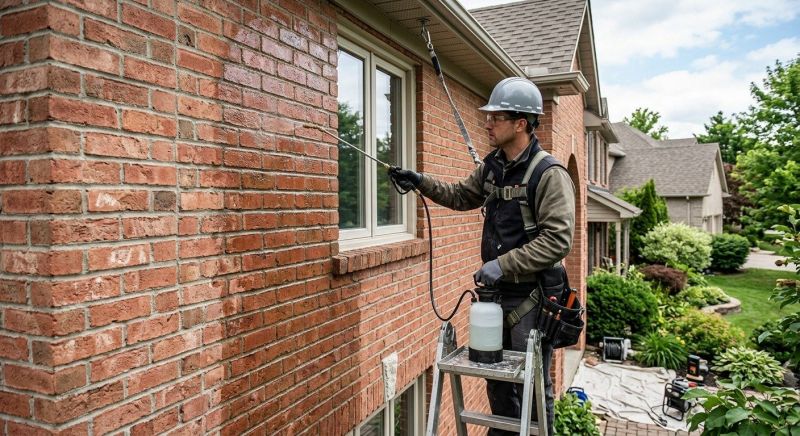
Masonry Waterproofing Updates
Common ways people refresh, improve, or restore masonry waterproofing features in seattle, wa.
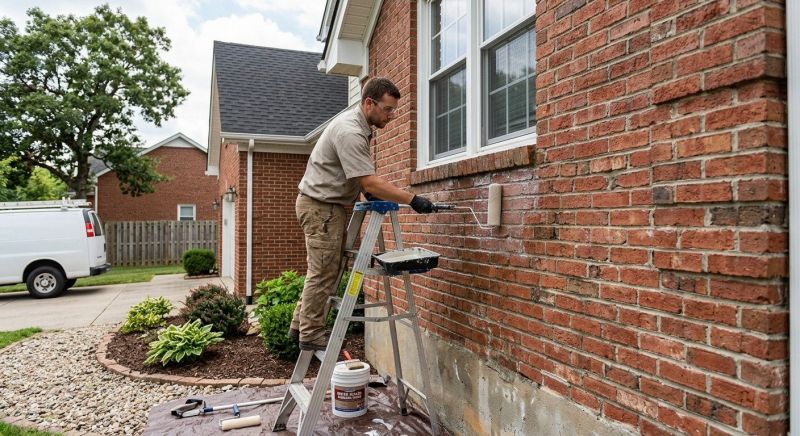
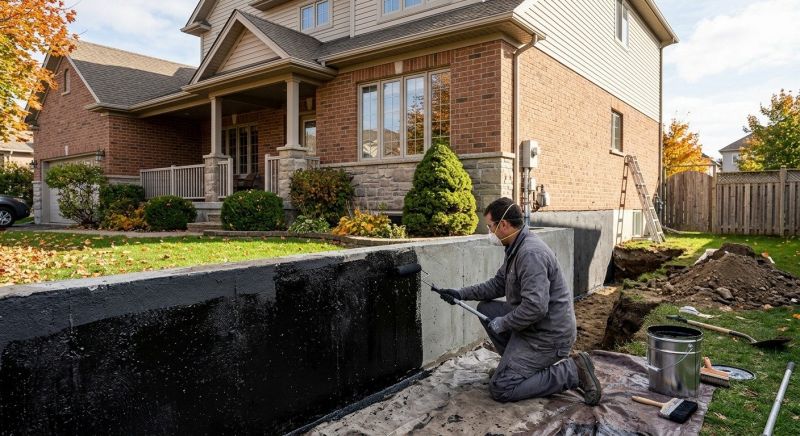
Masonry Waterproofing Options
Different styles, layouts, and finishes people consider for masonry waterproofing in seattle, wa.
Masonry Waterproofing in Seattle, WA
Masonry waterproofing services focus on protecting the structural integrity of brick, stone, concrete, and other masonry surfaces from water intrusion. This service is commonly requested for projects such as basement walls, retaining walls, chimneys, and foundation exteriors. Property owners typically seek waterproofing to prevent water leaks, reduce the risk of mold growth, and avoid damage caused by moisture seeping into masonry materials over time. Understanding the different types of waterproofing methods, such as sealants, membranes, or coatings, can help homeowners choose the best solution for their specific project.
Before requesting masonry waterproofing, property owners should consider the current condition of their masonry surfaces, including any existing cracks or signs of water damage. It’s important to identify the areas most vulnerable to water infiltration and to understand the extent of the work needed to ensure effective protection. Proper preparation, such as cleaning surfaces and addressing existing issues, can improve the longevity of the waterproofing treatment. Clear communication about project goals and the specific masonry surfaces involved can help ensure a successful outcome.
Many property owners in Seattle, WA look into Masonry Waterproofing for repairs, replacements, upgrades, and appearance-related improvements.
Common Masonry Waterproofing Jobs
Foundation walls - waterproofing helps prevent water infiltration and structural damage.
Basement walls - effective sealing protects against moisture and reduces mold growth.
Crawl spaces - waterproofing solutions keep areas dry and improve indoor air quality.
Retaining walls - sealing prevents water buildup that can cause shifting and erosion.
Stone and brick - waterproofing preserves the appearance and integrity of masonry surfaces.
Driveway and walkway - sealing helps prevent water penetration and surface deterioration.
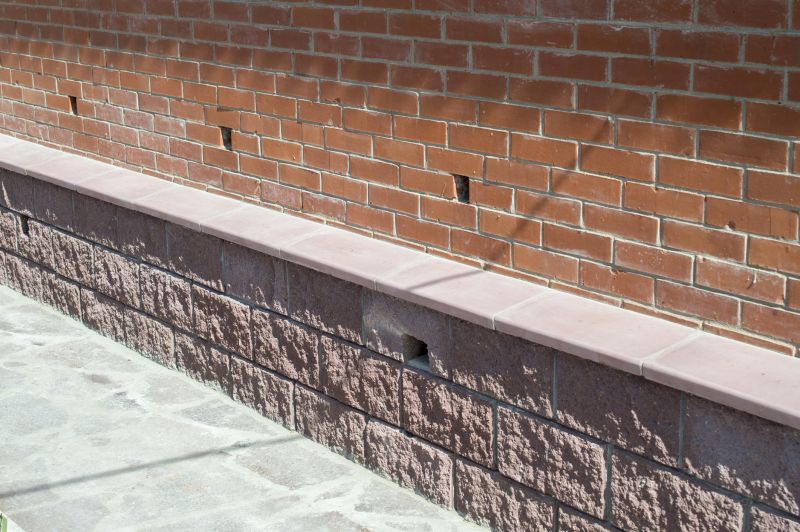
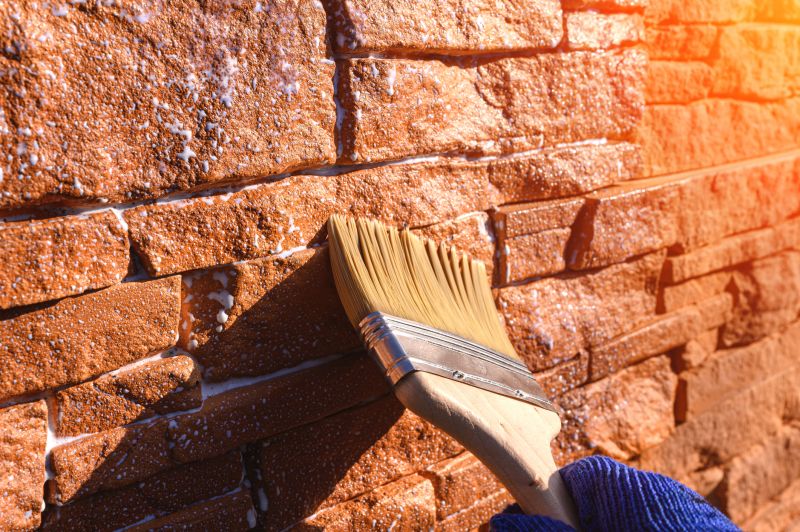
Masonry Waterproofing Questions
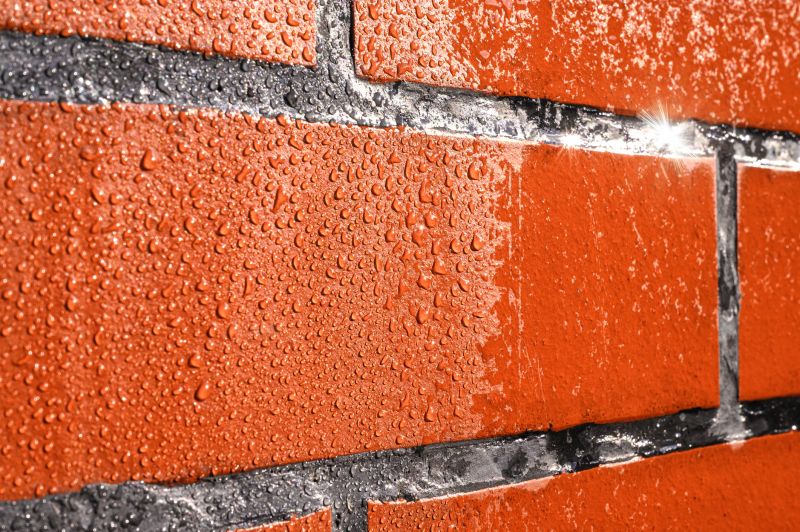
What is masonry waterproofing? Masonry waterproofing involves applying protective treatments to brick, stone, or concrete surfaces to prevent water penetration and damage.
Why is waterproofing important for masonry? It helps protect structures from water-related issues like cracking, efflorescence, and mold growth, extending the lifespan of the property.
What types of masonry surfaces can be waterproofed? Common surfaces include basement walls, retaining walls, chimneys, and decorative brick or stone facades.
How does masonry waterproofing work? It typically involves sealing surfaces with specialized coatings or membranes that block water while allowing moisture to escape.
Request Masonry Waterproofing in Seattle, WA
Use the quote form on this page to share the basics of your project and request more information for the type of work you need.